.svg)


.svg)
.svg)


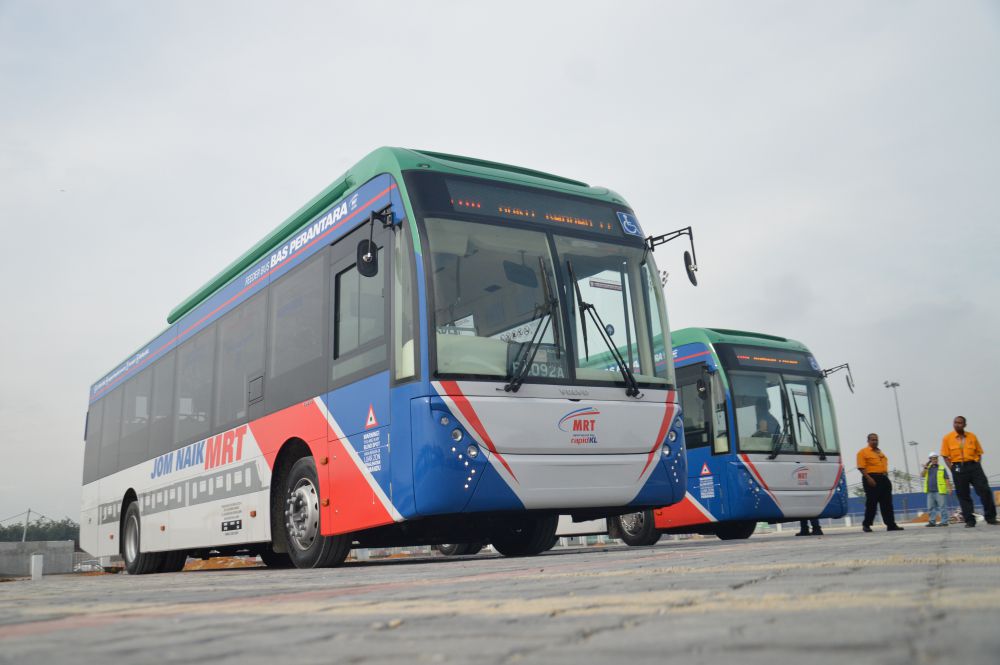
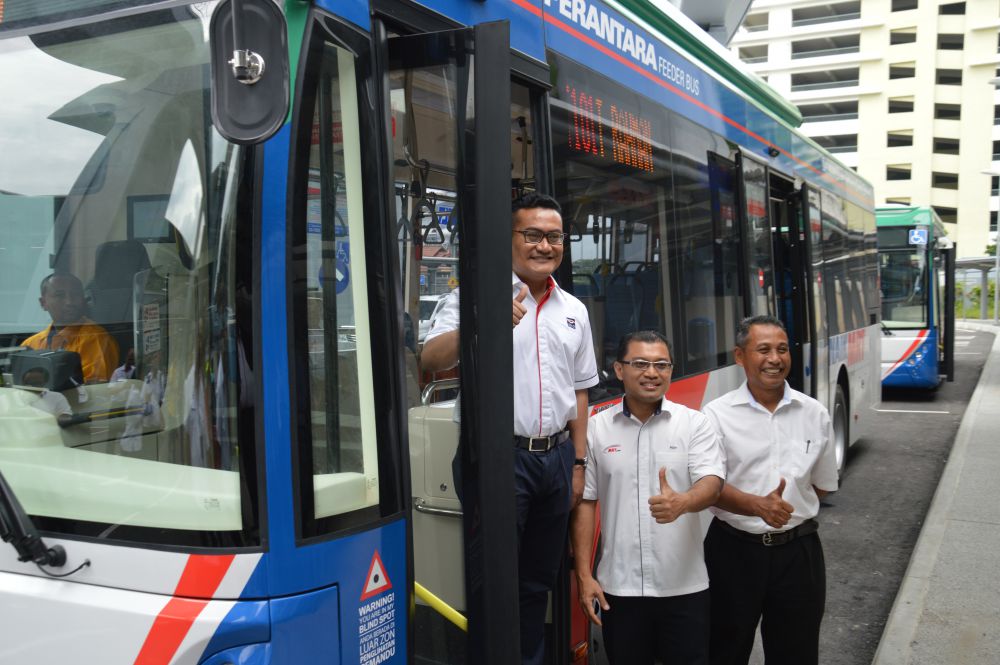
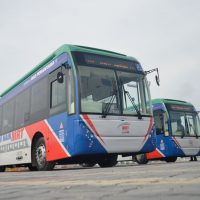
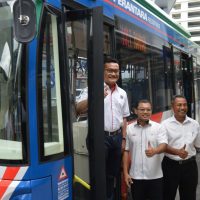
A DELEGATION from the Suruhanjaya Pengangkutan Awam Darat (SPAD) conducted an inspection of the feeder buses which would be used for the MRT Sungai Buloh-Kajang (ISBK) Line on 1 December 2016.
During the visit, the delegation, which was led by SPAD Chief Executive Officer Encik Azharuddin Mat Sah, was briefed by Malaysia Rapid Transit Corporation Sdn Bhd (MRT Corp) Head of Feeder Bus and Infrastructure Planning Encik Rudyanto Azhar on the readiness of the SBK Line’s feeder bus service in view of Phase One operations commencing on 16 December 2016.
The delegation was told that a total of 112 buses would be available to serve 26 routes from the 12 stations that would start operations on that day.
The 12 stations are Sungai Buloh, Kampung Selamat, Kwasa Damansara, Kwasa Sentral, Kota Damansara, Surian, Mutiara Damansara, Bandar Utama, Taman Tun Dr Ismail, Phileo Damansara, Pusat Bandar Damansara and Semantan.
The feeder buses will serve residential and commercial areas located within a 10km radius of the MRT stations.
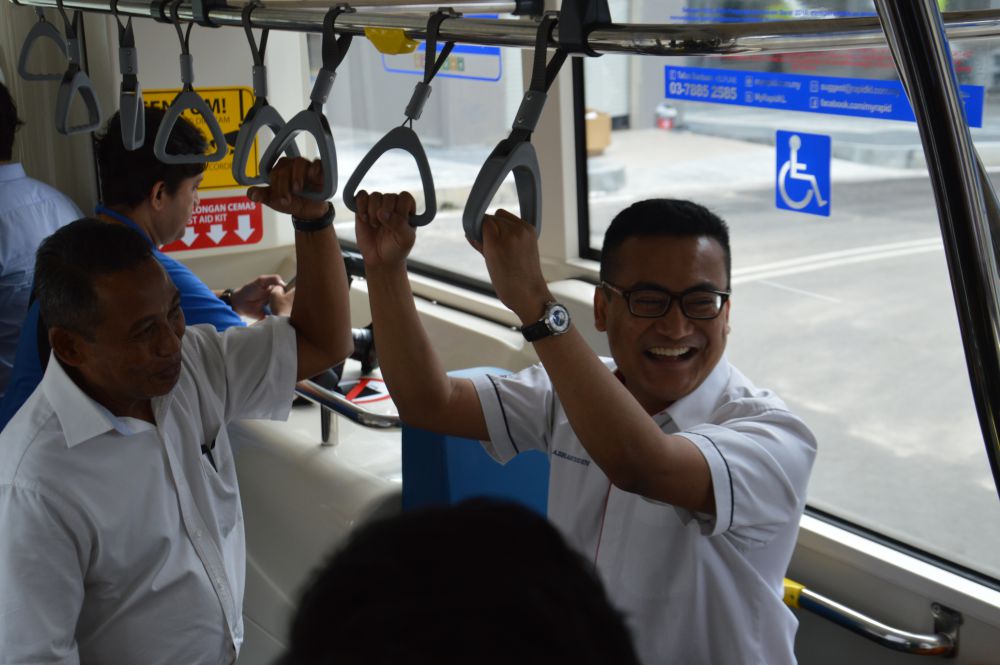
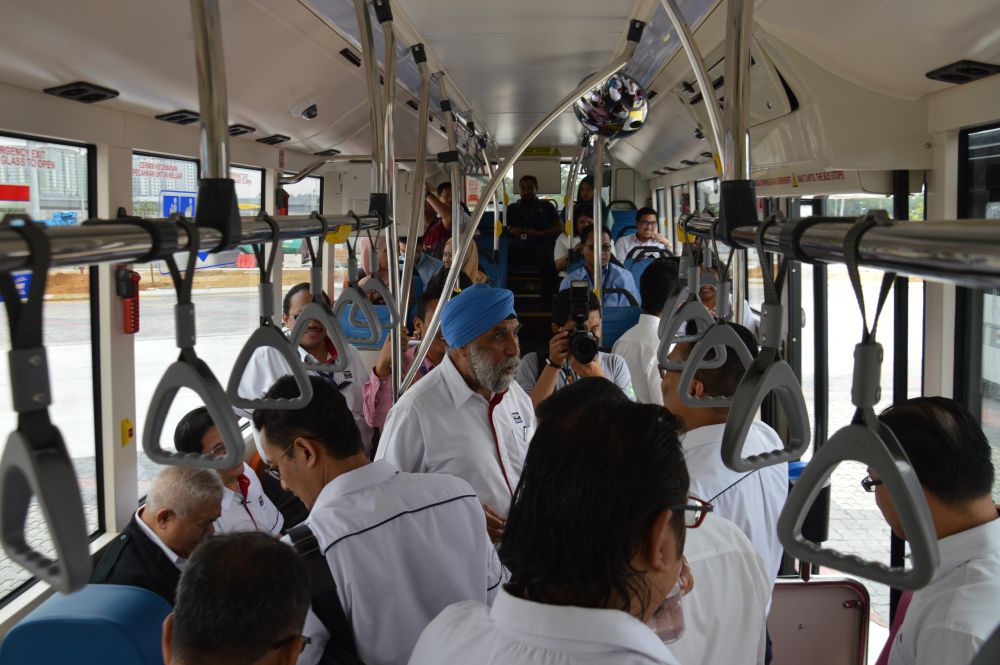
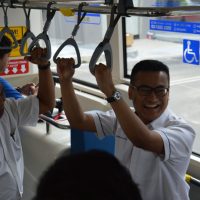
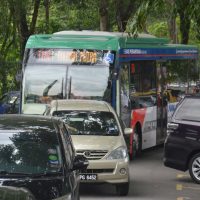
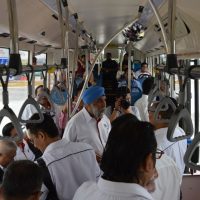
The visit included a bus ride where the media joined the SPAD delegation on two buses which took them on the actual route No T101 linking the Sungai Buloh MRT Station with Bukit Rahman Putra.
Speaking to the media after the ride, Azharuddin said he was happy with the buses that were used to provide the SBK Line feeder bus service.
“The Government wants the fares to be affordable so that everyone will be able to use public transport. This is why the approved fare for feeder buses is RM1 only,” he said, adding that the frequency of the buses would be a bus every 10 to 15 minutes.
Meanwhile, Rudyanto told the media that between December 2016 and July 2017, a feeder bus service would provide the linkage between the Pusat Bandar Damansara Station with KL Sentral where commuters would be able to connect with other rail-based services such the LRT, KTM Komuter, KLIA Ekspres, KLIA Transit and the monorail.
This was because there would be no direct interchange station between the SBK Line and other rail-based services in the city centre until Phase Two operations begin in July 2017.