.svg)


.svg)
.svg)


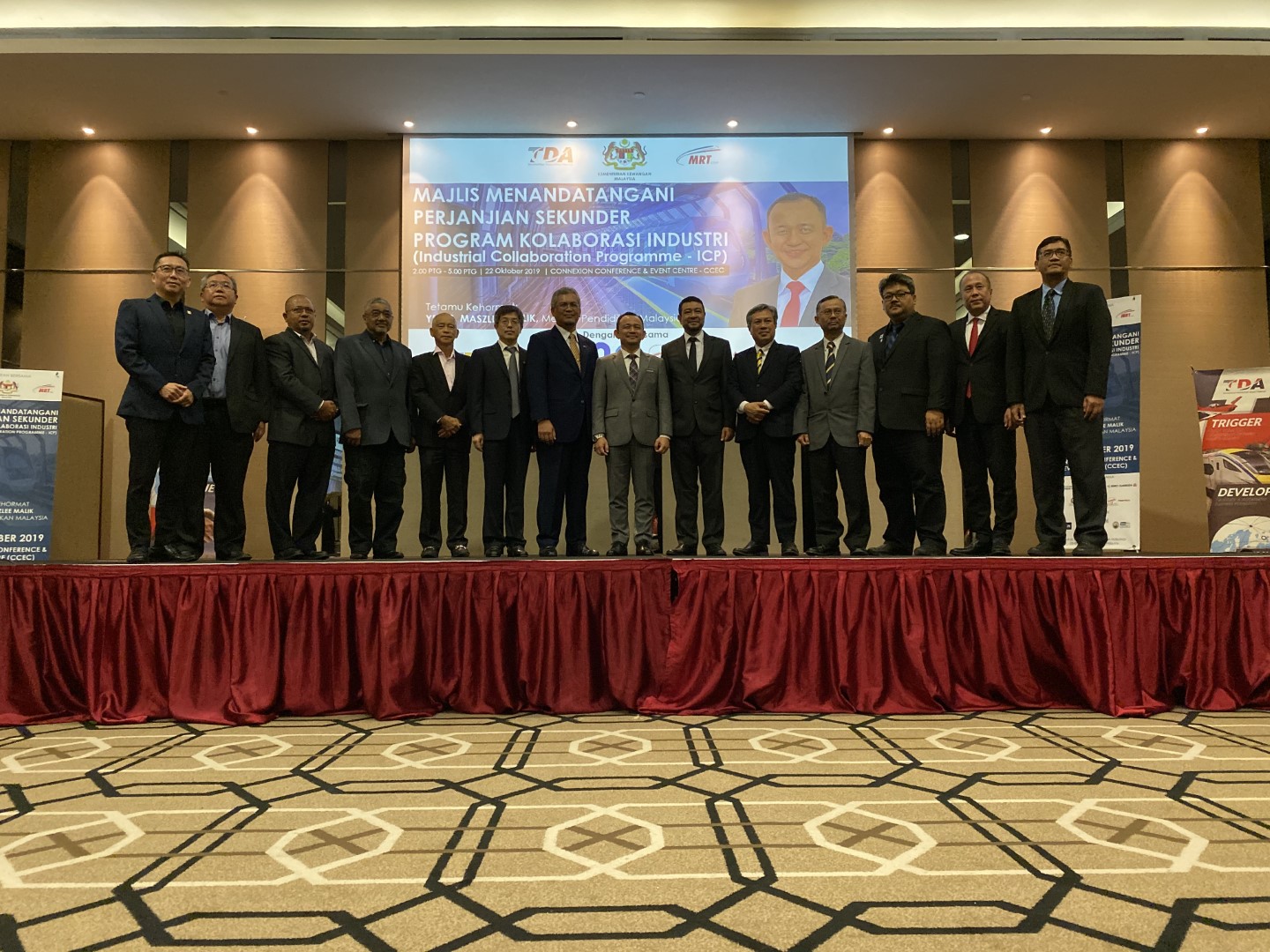
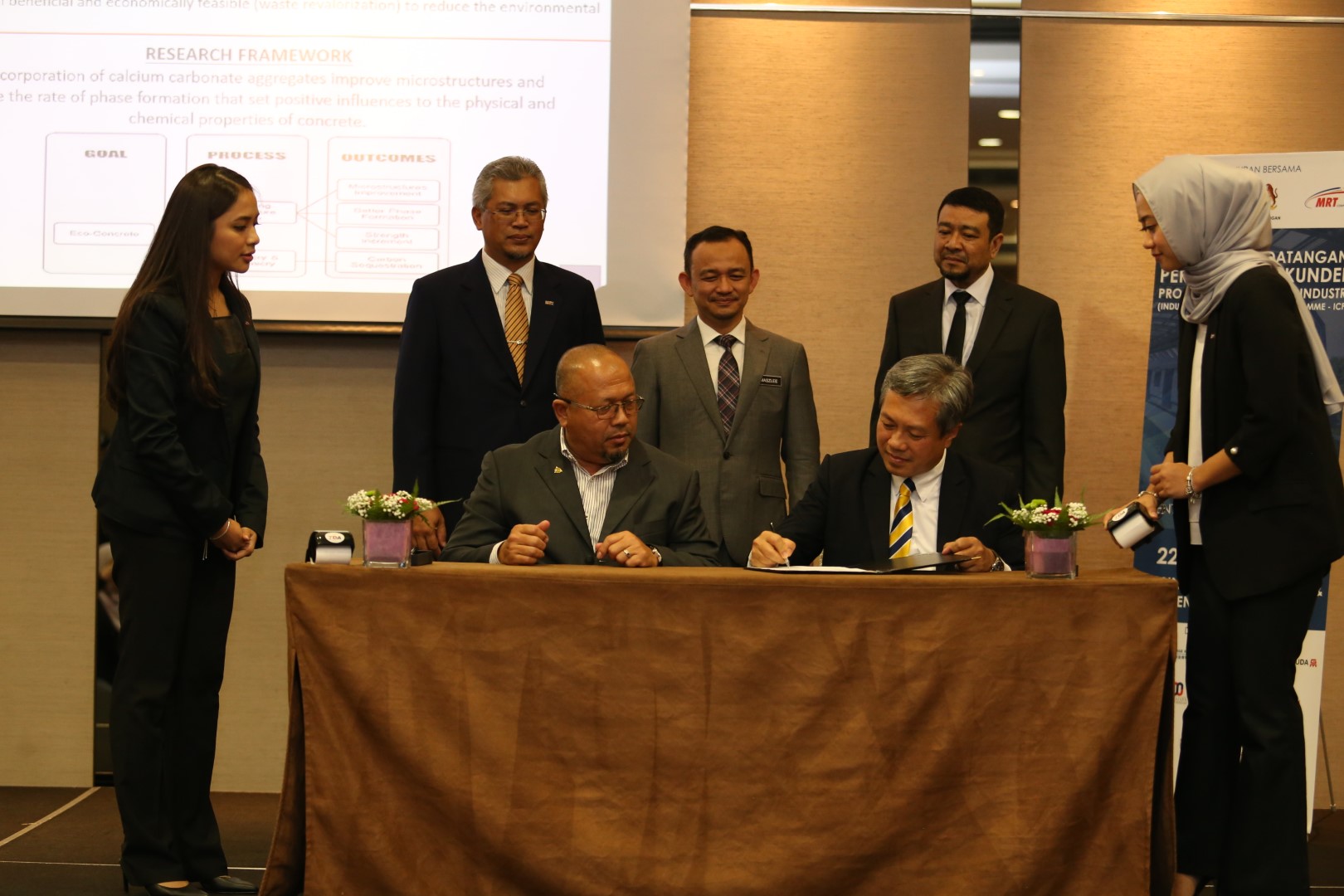
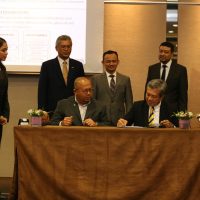
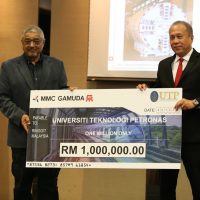
The Second Tier Industrial Collaboration Program (ICP) Agreement Signing Ceremony took place on 22 October 2019 between six Work Package Contractors (WPCs) of the MRT Sungai Buloh-Serdang-Putrajaya (SSP) Line Project and six Higher Learning Institutions, a commitment by the former through a pledge of a total Nominal Value of RM 3.878 million in establishing the first ICP Program involving Higher Learning Institutions in the nation’s rail industry.
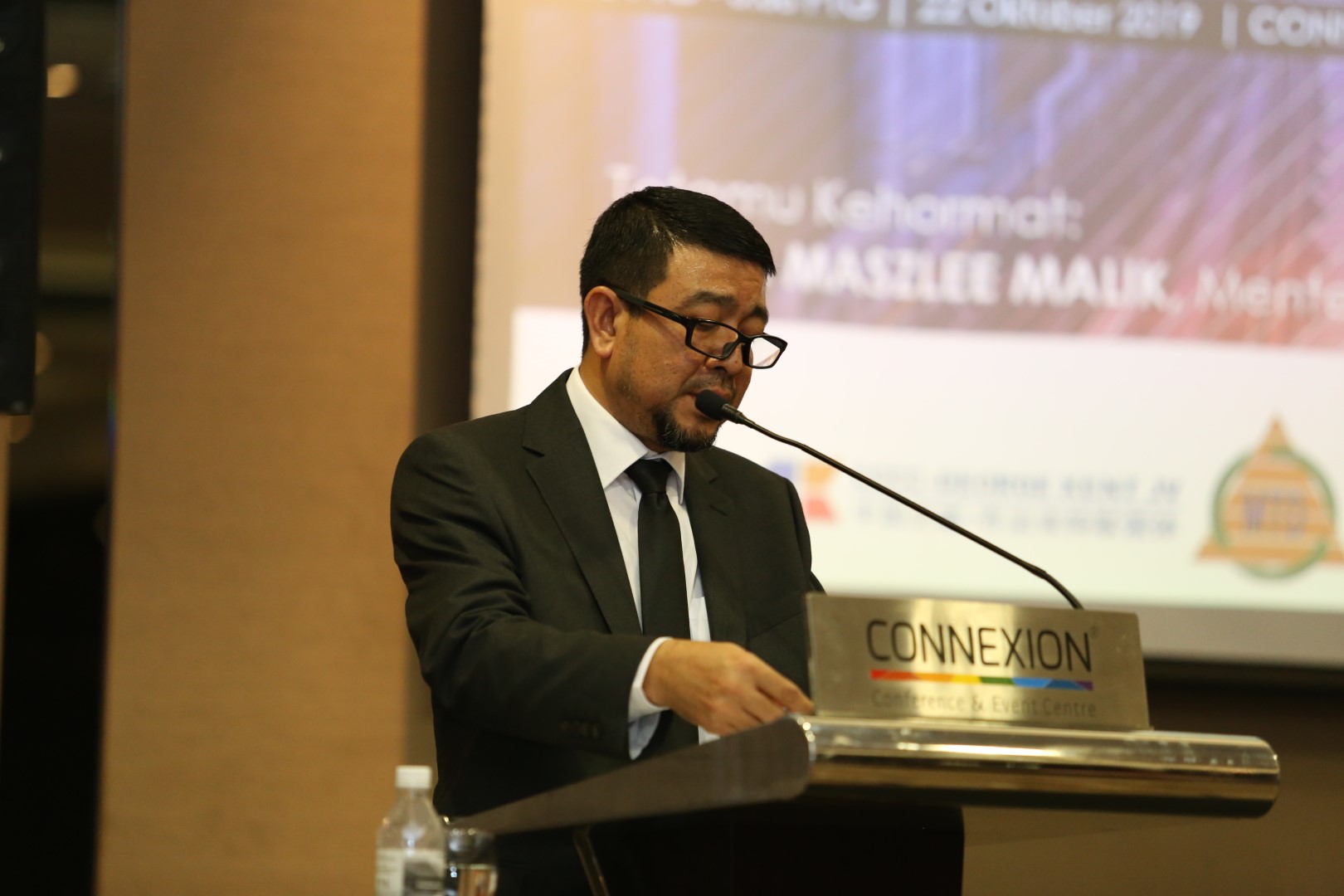
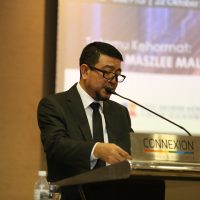
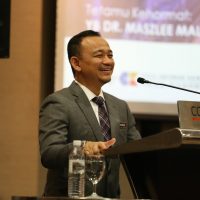
Held at the Connexion Conference & Event Centre, Bangsar South, the event was officiated by the Minister of Education YB Dr Maszlee bin Malik. Also present were Deputy Director of Higher Education Professor Dr. Mohd Cairul Iqbal bin Mohd Amin, Malaysia Rapid Transit Corporation Sdn Bhd (MRT Corp) Chief Executive Officer Encik Abdul Yazid bin Kassim and Transit Depository Agency (TDA) Berhad Chief Executive Officer Dato’ Zailani Safari.
Initiated through the ICP Program by the Technology Depository Agency Berhad (TDA), the collaboration between the industry players and academia will allow the students in six Higher Learning Institutions namely Universiti Kuala Lumpur (UniKL), Universiti Teknologi Petronas (UTP), Universiti Teknologi Malaysia (UTM), Universiti Putra Malaysia (UPM), UniKL Malaysian Institute of Chemical & Bioengineering Technology (MICET) and Universiti Tuanku Abdul Rahman (UTAR) a chance to pursue graduate programs and carry out research in fields that will promise them a job here in Malaysia.
The six WPCs, namely China Communications Construction Company-George Kent Joint Venture (CGJV), MMC-Gamuda KVMRT (T) Sdn Bhd (MGKT), IJM Corp Mudajaya, MTD Construction Sdn Bhd (MTDC) and Colas Rail System Eng. have collectively pledged the total amount in showing their commitment in building the nation’s human capital.
The First Tier of the ICP Agreement took place between the WPCs, MRT Corp and the Ministry of Education, which was completed by March 2018.
This initiative is testament of the Klang Valley MRT Project’s commitment in enriching the country not just directly via Foreign Direct Investment, technology transfer and local participation, but also indirectly via development of human capital resources where in this context, are students at the Higher Learning Institutions.