.svg)


.svg)
.svg)


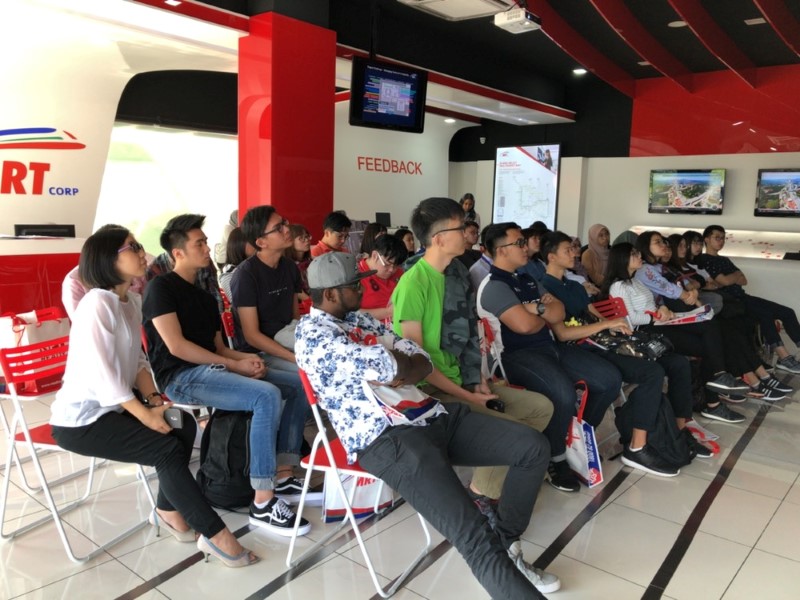
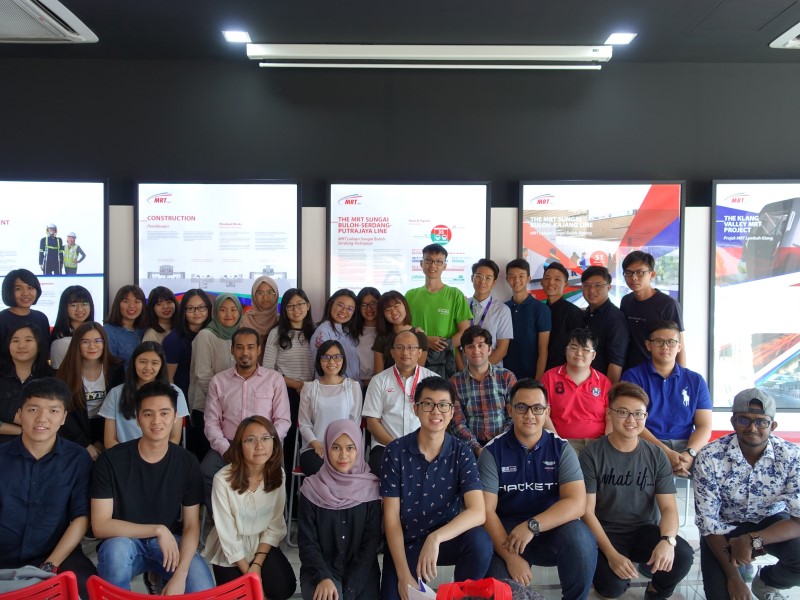
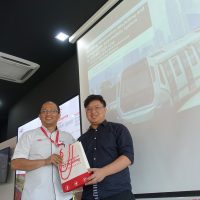
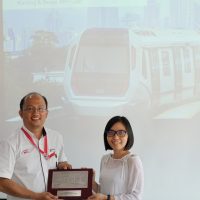
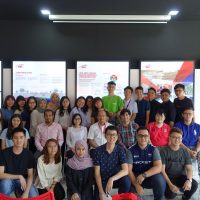
THIRTY-FOUR students from University of Reading (Malaysia campus) visited the MRT Information Centre, Jalan Sultan Azlan Shah on 13 March 2018.
They are Bachelor of Science students majoring in Quantity Surveying.
The visit to the facility was part of study trip to the Klang Valley to learn more about the MRT Sungai Buloh-Serdang-Putrajaya (SSP) Line particularly about the Digital Engineering technology used in this Project.
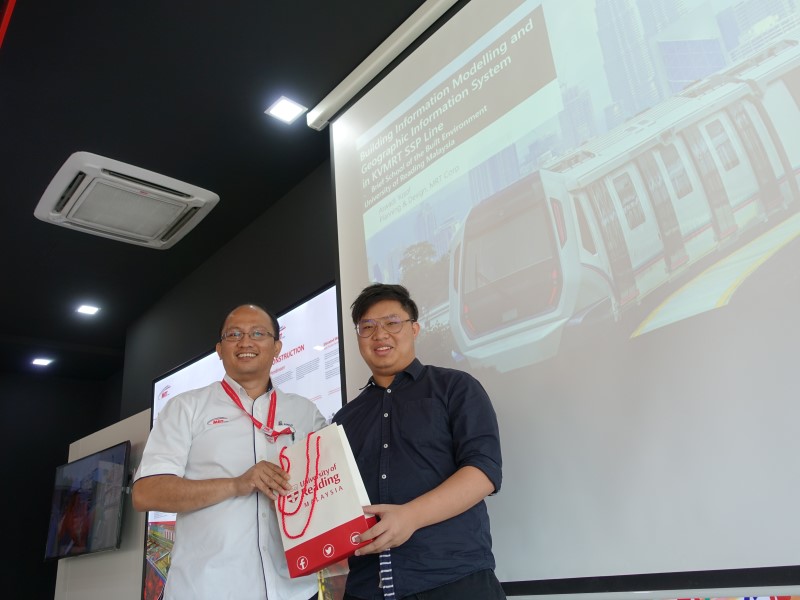
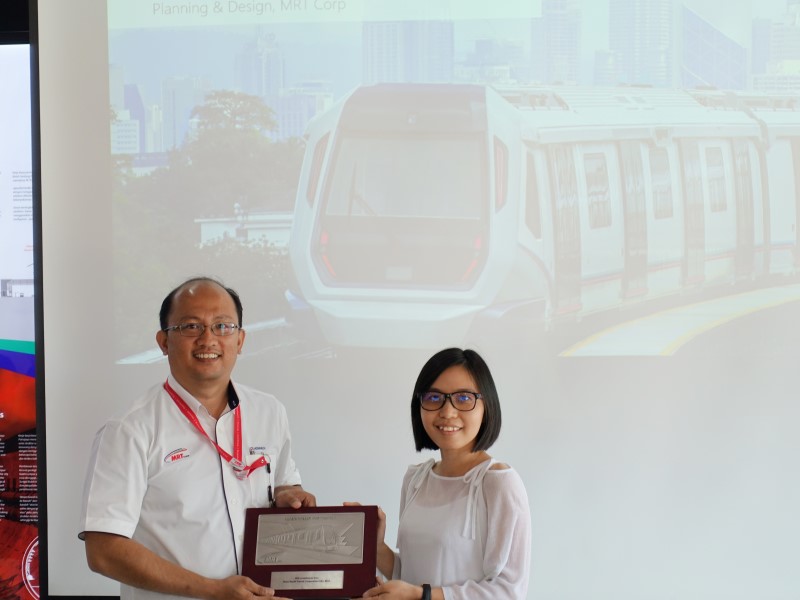
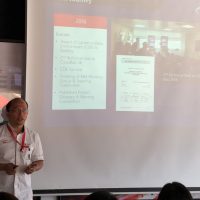
Malaysia Rapid Transit Corporation Sdn Bhd (MRT Corp) Planning and Design Senior Manager Encik Aswadi Yusof gave the presentation to the students.
He began his presentation by sharing that the current project progress is at 22%. This is currently on track with the project’s target with the first phase to be operational by Quarter Two 2021 and full operations by Quarter Two 2022.
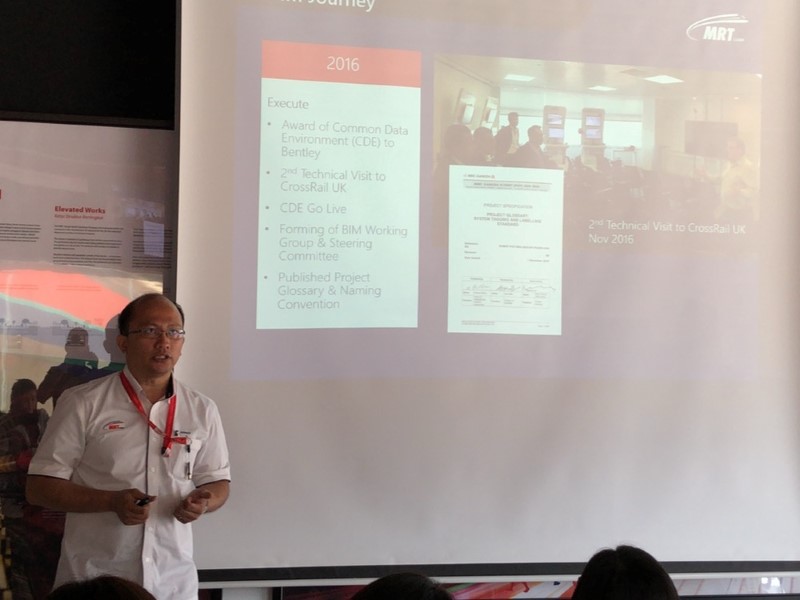
Aswadi then went on to describe the roles that digital engineering play in the SSP Line.
With the MRT Project being a mega infrastructure project in the country, he explained that one of the challenges is the complexity in designing the stations. With that, digital technology needs to be used.
This project uses the Building Information Modelling (BIM) for the design and construction of the SSP Line. BIM is a process for creating and managing information on a construction project across the project lifecycle in a virtual environment. It allows users to visualise, collaborate and analyse every aspect in engineering design.
In addition to that, the SSP Line uses the Geographic Information System (GIS). GIS is an advanced mapping tool that is designed to capture, store, manipulate, analyse and present all types of geographical data. It allows data from all departments to be unified in terms of access to information and presented on interactive maps.
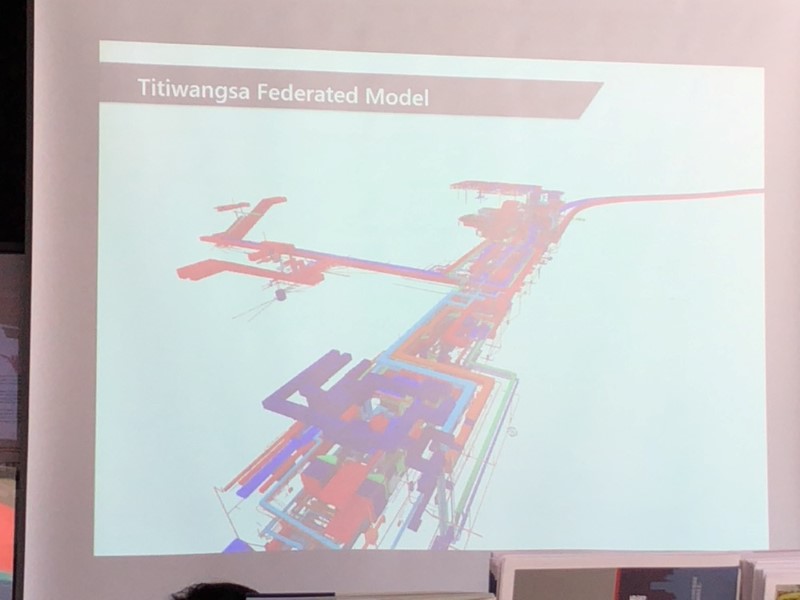
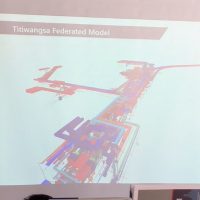
A case study of the incorporation of the BIM and GIS technology in the MRT SSP Line was shown which is the Titiwangsa MRT Station construction. Prior to construction, engineers were able to conduct study on the construction of the station and also understand about the different materials needed to be used.
The visit ended with lunch being served to the students.